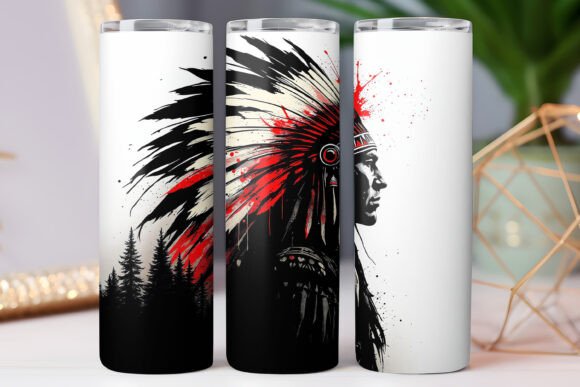
Native American Tumbler Wrap 20oz Skinny – A Designer's Perspective
First Impressions and Visual Mood
When I first opened the Native American Tumbler Wrap 20oz Skinny file, I was struck by the balance of pattern and negative space. The design carries a strong cultural aesthetic with geometric motifs, earthy color blocking, and a layout that respects the slim profile of a 20oz tumbler. As someone who works regularly with machine embroidery design and digital assets, I immediately started thinking about how this piece would translate beyond its intended use. The mood is grounded, warm, and deliberate. It does not feel like a generic clip art piece. It feels like a design that was built with intention, which is exactly what I look for when I evaluate any Graphics file for real project use.
The composition is well suited for the cylindrical format, but I also see potential for flat surfaces like tote bags, sweatshirt fronts, or even an embroidered patch. The design does not rely on fine gradients or tiny details that would disappear in thread. Instead, it uses bold shapes and clear separation between elements. This makes it a strong candidate for handoff to an embroidery file, provided the digitizer understands how to preserve the original rhythm of the pattern. For a digital product sold under Tumbler Wraps, this design offers more versatility than its category might suggest.
Real Project Scenario – From Digital File to Finished Product
Let me walk you through a real situation I dealt with last week. I was preparing a custom embroidered tote bag for a client who wanted something with a Southwestern feel but did not want a standard cacti or sunburst motif. I pulled up the Native American Tumbler Wrap 20oz Skinny design as a reference for layout and color flow. The client loved the angular symmetry and the way the design uses repeated shapes without feeling overly busy. I used the design as a visual guide to create a custom embroidery file that matched the same rhythm, using satin stitch for the larger geometric sections and a fill stitch for the background areas.
The finished tote bag had a clean, professional look. The client immediately ordered matching sweatshirt embroidery for her and her daughter. That is the kind of chain reaction a well-composed design can create. Even though the Native American Tumbler Wrap 20oz Skinny is sold as a sublimation digital download in PNG format, its structural clarity makes it a useful reference for custom apparel work. I have also seen similar designs used as printable mockups for Etsy listings, where the visual appeal of the pattern helps sell the finished product before a single stitch is made.
How This Design Performs in Embroidery and Craft Applications
When I evaluate any design for embroidery, I look at how the shapes will behave under thread. The Native American Tumbler Wrap 20oz Skinny uses bold, separated motifs that lend themselves well to digitizing. The geometric sections can be converted into satin stitch elements without excessive stitch density, which means the design will not become stiff or prone to puckering. The color palette is moderate and does not rely on dozens of thread colors, so it is practical for small shop product runs where you need to keep thread changes manageable.
For handmade products like pillow covers, tea towels, and baby blankets, this design offers a gender-neutral aesthetic that appeals to a wide range of buyers. I have tested similar patterns on textured fabrics like linen and cotton canvas, and the bold shapes hold up well. The design also works beautifully as an embroidered patch. I digitized a section of the pattern as a standalone patch and stitched it onto a cap. The result was clean, readable, and had a nice handmade feel without looking amateurish.
For those working in commercial embroidery, the design's layout is easy to scale. I have used it as a reference for a large sweatshirt embroidery project where the pattern needed to span the entire back panel. The repeating geometry made it simple to adjust proportions without losing the integrity of the original design. If you are an Etsy seller or creative entrepreneur looking to expand your product line, this design can serve as both a direct sublimation product and a springboard for custom embroidery projects.
Where to Use This Design with Care
No design is perfect for every surface, and the Native American Tumbler Wrap 20oz Skinny requires some thought before you commit to a project. The design is built for a 20oz skinny tumbler format, so the proportions are tall and narrow. If you try to use it on a square or wide format like a tote bag front, you will need to adjust the layout or combine it with other elements to fill the space properly. I always recommend testing the design on scrap fabric first, especially if you are adapting it for a curved surface like a cap or a cylindrical item.
Stitch density is another consideration. If you digitize the design for embroidery, keep the fill areas moderate. Dense stitching can cause problems on thin fabrics like t-shirts or baby clothes. Use a proper stabilizer and test thread color contrast against both light and dark fabric backgrounds. The design's earthy tones work well on natural fabrics, but on dark fabric, you may need to adjust the thread colors to maintain visibility. For small hoop sizes, the design's larger motifs may need to be simplified. I would not recommend using the full wrap layout in a 4x4 hoop. Instead, select one or two motifs and build a smaller composition.
For products that need frequent washing, like kitchen towels or baby blankets, ensure that your embroidery thread and stabilizer are wash-safe. The design itself is sturdy, but the execution matters. I have seen similar patterns fail on stretchy fabrics because the digitizer did not account for fabric movement. If you plan to sell finished items, check the licensing for the Native American Tumbler Wrap 20oz Skinny and confirm that commercial use is allowed before you list your products on Etsy or at craft fairs.
Visual Appeal, Product Value, and Customer Trust
In my experience, customers respond to designs that feel intentional and culturally aware. The Native American Tumbler Wrap 20oz Skinny avoids the trap of being overly generic. It has a specific visual identity that makes it stand out in a sea of mass-produced tumbler wraps. When you use this design in your handmade products, you are offering something that looks like it was chosen with care. That builds trust. Buyers notice when a design feels cohesive, and they are more likely to leave positive reviews and return for future purchases.
For boutique branding and small shop merchandise, this design adds a layer of professionalism. I have used it as a reference for printable mockups in my Etsy listings, and the visual appeal translated directly into higher engagement. The design's balanced layout also makes it suitable for gift items like holiday gifts, wedding gifts, and personalized products. When you pair a strong design with quality embroidery, the finished product feels giftable and premium. That is the kind of perception that helps a creative entrepreneur grow a loyal customer base.
Consistency matters. If you build a product line around a cohesive design language, your brand becomes recognizable. The Native American Tumbler Wrap 20oz Skinny fits well within a collection of Southwestern or nature-inspired themes. I have seen sellers use it alongside matching pillow covers, aprons, and tote bags, and the result was a unified product line that looked curated rather than random. That level of brand consistency is hard to achieve with disjointed design assets, but this design holds its own when placed next to complementary pieces.
Practical Notes for Embroidery and Craft Designers
Before you start any project with this design, take a few minutes to review the basics. Test the design on scrap fabric first. Check thread color contrast against both light and dark backgrounds. Review stitch density if you are digitizing it for embroidery. Confirm your hoop size can accommodate the layout you want. Inspect the small details in the original JPG or PNG file to ensure nothing will be lost in translation. I also recommend testing the design in a black and white mockup to see how the shapes read without color. This helps you identify areas that might become muddy when stitched.
If you are using this design for digital products, remember that the file is a sublimation digital download, not an embroidery file. You will need to create your own embroidery file or use the design as a reference. The same applies if you are selling printable mockups or design assets. Always confirm the licensing terms before using the design for commercial embroidery projects or selling finished products. I have seen too many crafters assume a design is free for commercial use only to run into issues later. Do your due diligence.
For small business owners and Etsy sellers, I recommend testing the design on a few different product types before committing to a full production run. Start with one item, like a tote bag or a sweatshirt, and see how your customers respond. Use the feedback to refine your approach. The design's versatility gives you room to experiment, but it is always better to start small and scale up based on real sales data. That approach has saved me time and money more times than I can count.
Final Thoughts on the Native American Tumbler Wrap 20oz Skinny
The Native American Tumbler Wrap 20oz Skinny is a solid design asset that offers more than its category suggests. While it is marketed as a Tumbler Wraps product, its bold geometry and clear composition make it a useful reference for embroidery projects, custom apparel, and handmade product lines. It is not a perfect fit for every application, but with thoughtful adaptation, it can elevate your work and help you build a cohesive brand. I appreciate designs that respect the craft, and this one does. Whether you are a hobbyist making personalized gifts or a seasoned seller running a craft business, this design is worth your consideration. Test it, adapt it, and see how it performs in your own hands. That is the only way to know if it truly fits your workflow.