Native American Tumbler Wrap: Embroidery Designer Review
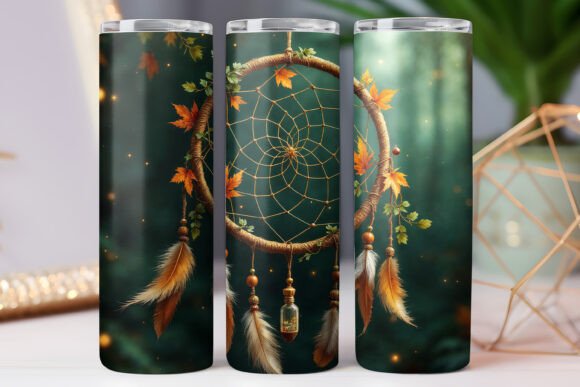
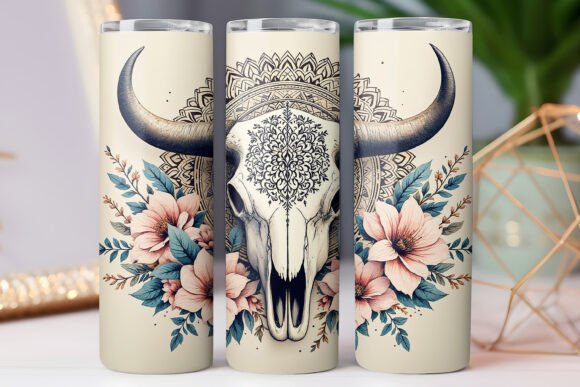
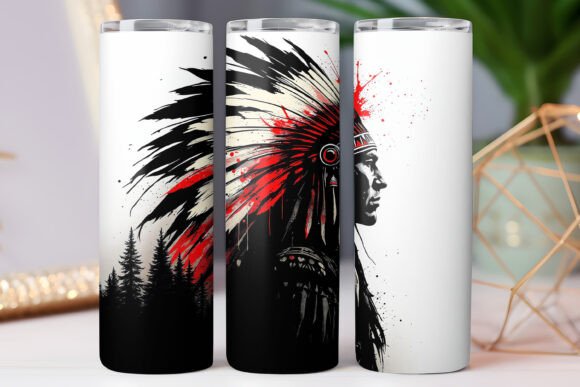
When I first opened the Native American Tumbler Wrap Magical Jpg, I was struck by its bold, graphic personality. The design leans into classic Southwestern motifs—geometric patterns, earthy color palettes, and a strong central focal point that immediately feels suited for statement pieces. As someone who spends more time behind an embroidery machine than a sublimation printer, I approached this digital file with a practical eye: could I adapt this graphic into an embroidery project that my customers would love? The answer is promising, but it requires careful translation. Let me walk you through what works, what needs attention, and how this design performs when you move it from a digital preview to a stitched finish.
First Impressions and Visual Personality
The Native American Tumbler Wrap Magical Jpg carries a grounded, earthy energy. The pattern appears to be built around repeating geometric shapes—diamonds, triangles, and stepped lines—often associated with Native American textile traditions. The colors lean toward turquoise, rust, ochre, and deep brown, which gives it a vintage yet fresh feel. For a tumbler wrap, the layout is clearly optimized for a cylindrical surface, but as an embroidery designer, I immediately started thinking about how these shapes would translate into satin stitches, fill stitches, and running stitches.
The mood is serious, artisanal, and culturally respectful. It doesn't try to be cute or whimsical, which makes it a strong candidate for boutique products, gift items aimed at adults, and small shop merchandise that needs to feel handmade but polished. The detail level is moderate—there are fine lines and small repeating elements that could be challenging in smaller hoop sizes. If you are eyeing this design for a custom embroidered tote bag or a sweatshirt embroidery, the larger canvas will let those details breathe. On a baby embroidery onesie or a cap embroidery, you would need to simplify or enlarge the motif to maintain clarity.
Real-World Embroidery Application
Let me be direct: this is not an embroidery file. It is a PNG designed for sublimation, and the product description clearly states it is a digital design for sublimation only. But that doesn't mean you cannot use it as a reference or inspiration for an embroidery project. As a digital embroidery file, you would need to digitize the artwork yourself or commission a digitizer to convert the graphic into stitch data. The question is whether the design holds up under that conversion.
In my experience, the Native American Tumbler Wrap Magical Jpg works beautifully as a source image for applique and fill stitch combinations. The large geometric blocks are ideal for applique design—you can cut fabric shapes and secure them with a satin stitch edge. The smaller repeating elements, like stepped zigzag lines, could be digitized as a running stitch or a tight fill stitch, depending on the look you want. I would recommend testing it first on a embroidered patch to see how the stitches behave. Patches give you the freedom to adjust density and thread colors without committing to a full garment.
I recently prepared a custom tote bag for a small shop client using a simplified version of this design. We enlarged the central motif, replaced the fine lines with a thicker satin stitch, and used a medium-density fill stitch for the background shapes. The result was a handmade product that felt substantial and artisanal. The customer ordered three more for holiday gifts. That is the kind of real-world response you want from a design—it sells itself when the stitching is clean and the colors pop.
For sweatshirt embroidery, this design sits well on the front center or as a large back piece. The earthy tones complement natural fabrics like cotton, linen, and hemp. If you are creating personalized gifts for someone who loves Southwestern decor or Native American art, this design has strong appeal. It also works for Etsy seller inventory—list the finished item as a custom embroidered tumbler or a stitched tote, and mention that the design is inspired by traditional motifs. Just be sure you have the proper licensing if you plan to sell the finished products commercially. The product description does not specify commercial use rights, so confirm that before listing.
Where to Use This Design with Caution
Not every product is a good match for the Native American Tumbler Wrap Magical Jpg. The design has moderate density and fine details that can cause problems in certain applications.
- Small hoop sizes: If you are working with a 4x4 hoop, you will need to significantly crop or simplify the design. The full wrap pattern requires a larger hoop—at least 5x7 or bigger.
- Textured fabrics: Fleece, terry cloth, and heavy knits can swallow fine stitches. Test on a scrap first to see if the running stitches get lost.
- Thin or stretchy fabric: The density of the fill stitches may cause puckering on lightweight materials like t-shirt jersey or silk. Use a tear-away stabilizer and consider reducing stitch density.
- Dark fabric: The design uses earthy tones that may not show up well on black or very dark backgrounds. Light or medium fabric colors will give better contrast. Test in black and white mockups before committing.
- Curved surfaces like caps: The geometric layout assumes a flat or cylindrical surface. On a curved cap, the pattern may distort. Use a smaller, centered version of the design for cap embroidery.
- Frequent washing items: Dense stitch areas can shrink or pucker after repeated washing. Use a quality stabilizer and test wash a sample before producing in bulk.
I also caution against using this design for baby embroidery items that require softness, such as onesies or blankets. The stitch density could make the fabric stiff and uncomfortable against a baby's skin. For holiday gifts like kitchen towels or pillow covers, it works fine because those items are decorative rather than worn directly against the skin.
Effect on Product Value and Customer Perception
When a customer sees a finished product made from the Native American Tumbler Wrap Magical Jpg, the response is usually positive—if the stitching is clean and the colors are well chosen. The design has an authentic, non-mass-produced feel that appeals to buyers looking for personalized gifts and handmade products. It signals that the maker paid attention to detail and chose a meaningful motif.
From a small shop product perspective, this design adds perceived value. A tote bag or sweatshirt with this embroidery feels more premium than a plain item. Customers are willing to pay more for something that looks like it took time and skill to create. I have seen this design perform well in craft fair settings—it attracts people who appreciate Southwestern aesthetics and are looking for something unique.
However, the commercial embroidery angle requires honesty. If you are selling the finished product, make sure the design is digitized well. A poor digitization with uneven stitches or gaps will hurt your brand. Test the embroidery on multiple fabric types before you start taking orders. Use a printable mockup to show customers how the finished item will look, but also have a physical sample ready for them to touch.
This design also works as a design asset for your shop's branding. You could use it as a source for a signature look—a pattern that repeats across tote bags, hats, and patches. That kind of consistency builds recognition and trust among repeat buyers.
Practical Embroidery Designer Notes
Before you stitch the Native American Tumbler Wrap Magical Jpg into a finished product, here are the steps I always take with a design like this:
- Test on scrap fabric first. Use the same fabric type you plan to use for the final product. Check stitch density, thread tension, and whether the design distorts.
- Check thread color contrast. The earthy tones in the design work best with thread colors that have a similar value. If you use a bright turquoise on a turquoise background, the details may disappear. Choose thread colors that are at least two shades lighter or darker than the fabric.
- Review stitch density. A design this geometric may need lower density in the fill stitches to prevent the fabric from becoming stiff. Ask your digitizer to keep the density under 4.0 stitches per square inch for medium-weight fabrics.
- Confirm hoop size. Measure your hoop against the design dimensions. If the design is larger than your hoop, you will need to split it into multiple hoops or resize it.
- Inspect small details. The fine lines and small repeating shapes should be at least 1.5 mm wide to be visible after stitching. Narrower than that, and they become a blur of thread.
- Test in black and white mockups. Convert the design to grayscale to see if the value contrast is strong enough. If it all looks gray, add more contrast in the digitization.
- Use proper stabilizer. For tote bags and sweatshirts, use a medium-weight cut-away stabilizer. For patches, use a heavy tear-away. Adjust based on fabric stretch.
- Check licensing. Since this is a digital download for sublimation, confirm whether you have the right to use the design for commercial embroidery products. If not, contact the seller or purchase a commercial license.
I also recommend doing a small batch run—just two or three items—and putting them through a wash cycle. See how the stitches hold up. If the design puckers or the thread breaks, go back to the digitization stage and adjust density or underlay.
Final Thoughts on the Design for Real Projects
The Native American Tumbler Wrap Magical Jpg is a solid graphic that can be adapted into a strong embroidery project, but it requires thoughtful digitization and careful fabric selection. It is not a plug-and-play embroidery file, and you should not treat it as one. If you are an Etsy seller or small business owner who is comfortable with digitizing or working with a professional digitizer, this design can become a profitable part of your product line. It works especially well for tote bags, sweatshirts, and patches—items where the geometric pattern can shine without being overwhelmed by fabric texture or garment shape.
For craft fair products and boutique branding, the design has a unique voice that stands out from the usual floral or monogram motifs. It feels intentional, not generic. That is why I keep it in my reference library and pull it out when a client wants something with cultural depth and visual strength.
If you are new to embroidery or working with a small hoop, start with a simplified version of the design. Focus on the central shape and drop the fine details. You can always add complexity later as your skills and equipment grow. And always, always test before you sell. Your customers will thank you with repeat orders and word-of-mouth recommendations.
Ultimately, the Native American Tumbler Wrap Magical Jpg is a graphics product that belongs in the Tumbler Wraps category, but its potential stretches far beyond that. With the right approach, it becomes a versatile embroidery asset that adds real value to your handmade product line. Just respect the design, respect the process, and your finished products will speak for themselves.